We live in an age where information is currency, and our digital lives are intricately woven into the fabric of our everyday existence. From cherished family photographs and crucial business documents to complex research data and operational blueprints, our data is the lifeblood of our personal and professional endeavors. We often operate under the assumption that our data is perpetually safe, nestled securely within our hard drives, cloud storage, or mobile devices. However, this assumption, as we collectively know, can be a precarious one. Data loss is not a matter of “if,” but often “when.” It’s a digital landmine, an unforeseen event that can shatter productivity, incur significant financial losses, and even lead to irreversible emotional distress. This is where essential data recovery services step in, acting as our digital paramedics, ready to resuscitate our lost information and restore order to our digital worlds.
Before we delve into the intricacies of data recovery, it’s crucial for us to understand the various adversaries that threaten our digital information. Data loss is a multifaceted problem, stemming from a variety of sources, each requiring a distinct approach for effective recovery. We categorize these challenges into several primary areas to better understand the scope of the problem.
Physical Malfunctions
Physical malfunctions represent a significant portion of data loss incidents. These are failures that occur at the hardware level, making the data inaccessible through conventional means.
Hard Drive Failure
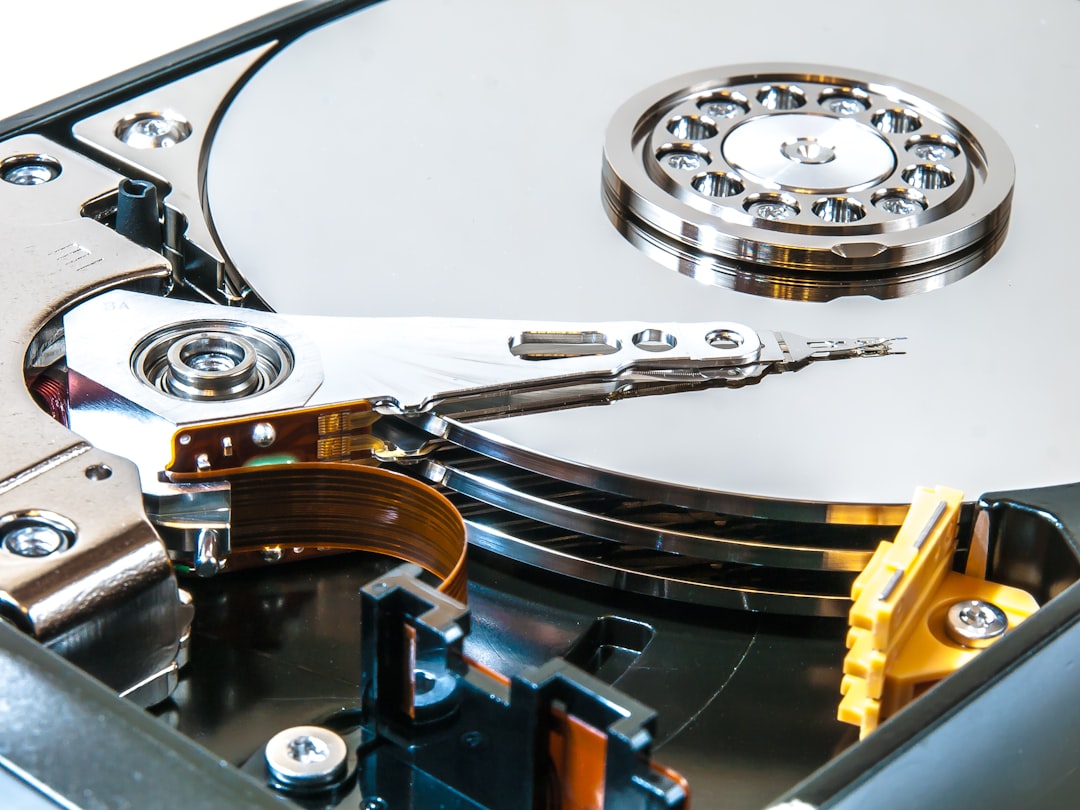
Our hard drives, whether traditional HDDs with spinning platters or solid-state drives (SSDs) with flash memory, are mechanical or electronic marvels designed for durability, yet they are not immortal. We’ve all experienced or heard stories of the tell-tale clicking or grinding sounds that precede a hard drive’s demise. This can be caused by head crashes, motor failures, or platter damage. For SSDs, controller failures, bad NAND blocks, or firmware corruption are common culprits. In these scenarios, the data is often physically intact but rendered unreadable by the malfunctioning components. Specialized tools and dust-free environments are paramount for any hope of recovery.
External Drive Damage
External hard drives, USB flash drives, and memory cards are particularly vulnerable due to their portability. We often carry them in pockets, bags, or attach them to various devices, exposing them to physical shock, drops, or even liquid damage. A bent USB connector, a cracked memory card, or an impact-damaged external drive can render our data inaccessible. The challenge here often lies in re-establishing a stable connection to the internal data storage components without causing further damage.
RAID System Failures
For businesses and organizations, RAID (Redundant Array of Independent Disks) systems are designed for data redundancy and performance. However, even these robust systems are not immune to failure. Multiple drive failures within a RAID array, controller card malfunctions, or corrupted RAID configurations can lead to catastrophic data loss. Our expertise in reconstructing these complex arrays, understanding various RAID levels (RAID 0, 1, 5, 6, 10, etc.), and recovering data from multiple failed drives is critical in these high-stakes situations.
Logical Data Loss
Beyond physical damage, we frequently encounter scenarios where the hardware is perfectly functional, but the data itself is inaccessible due to software-related issues. This is what we refer to as logical data loss.
Accidental Deletion and Formatting
This is perhaps the most common scenario we encounter: the dreaded “empty trash” or the mistaken click on “format drive.” While seemingly permanent, deleted files or formatted drives do not immediately erase the underlying data. Instead, the operating system marks the space occupied by the data as free, allowing new data to be written over it. Our data recovery specialists employ sophisticated software to meticulously scan for these overwritten sectors, often able to retrieve a significant portion of the lost information if new data hasn’t yet taken its place.
Virus and Malware Attacks
The digital world is teeming with malicious software designed to corrupt, encrypt, or delete our data. Ransomware, for instance, encrypts files and demands a payment for their release, while other viruses can systematically delete or damage files. In such cases, we navigate the complex landscape of cryptographic algorithms and file system corruption to restore access to the compromised data, often requiring advanced decryption techniques or reconstruction of damaged file structures.
File System Corruption
File systems (like NTFS, FAT32, HFS+, ext4) are the organizational structures that dictate how our data is stored and retrieved on a drive. Corruption can occur due to sudden power outages, improper system shutdowns, software bugs, or even aging hardware. When the file system is corrupted, the operating system can no longer locate or interpret the data, rendering it inaccessible. Our engineers use specialized tools to repair these damaged file system structures, effectively re-indexing and reconnecting to the scattered pieces of our information.
The Data Recovery Process: A Methodical Approach
When our data is lost, panic often sets in, and we might be tempted to try amateur recovery methods. However, we strongly advise against this, as improper attempts can significantly reduce the chances of successful professional recovery. Our data recovery process is a systematic, multi-stage approach designed to maximize the chances of retrieving your valuable information.
Initial Assessment and Diagnostic
Our first step upon receiving a damaged device is a comprehensive diagnostic assessment. This involves a thorough examination of the device to identify the root cause of the data loss. We analyze the physical condition of the drive, listen for abnormal sounds, and use specialized software tools to evaluate its electronic and logical integrity. This crucial stage allows us to determine the extent of the damage, estimate the potential for recovery, and provide you with a transparent quote and timeline. In cases of physical damage, this assessment often takes place in our cleanroom environment to prevent further contamination.
Data Extraction and Repair
Once the diagnostic is complete and we have your approval, we proceed with the data extraction and repair phase. For logically damaged drives, we utilize advanced data recovery software and techniques to reconstruct file systems, bypass corrupted sectors, and piece together fragmented files. In cases of physical damage, our cleanroom engineers carefully disassemble the drive, replace faulty components (like read/write heads or motor assemblies), and painstakingly transfer data from damaged platters to a healthy donor drive. This process requires precision, expertise, and a vast inventory of spare parts.
Verification and Delivery
After the data has been successfully extracted and repaired, we meticulously verify its integrity. This involves checking file sizes, opening critical documents, and ensuring that the recovered data is usable and complete. We then transfer the recovered data to a new, healthy storage device of your choice (e.g., an external hard drive, USB drive), ensuring that it is encrypted and securely delivered. We can also provide a detailed report outlining the recovery process and the status of your recovered files. Our commitment is not just to recover data, but to deliver it to you in a usable and secure format.
Why Professional Data Recovery Matters
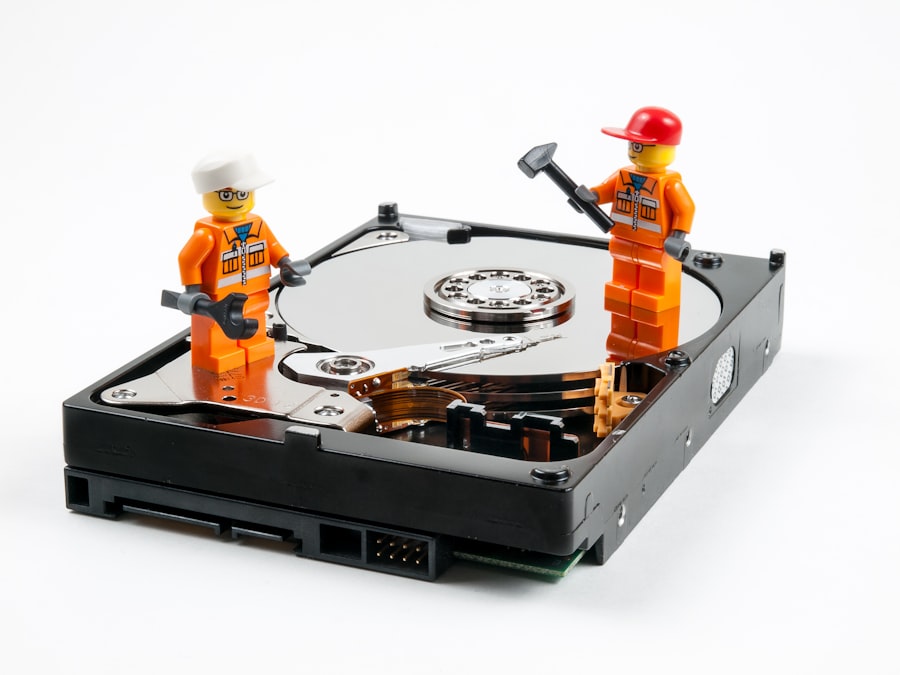
We often encounter situations where individuals or businesses attempt DIY data recovery, only to exacerbate the problem. While some basic logical data loss scenarios might be resolvable with readily available software, the more complex issues demand the expertise, specialized equipment, and controlled environments that only professional data recovery services can offer.
Expertise and Experience
Our data recovery engineers possess a profound understanding of various storage technologies, file systems, and data loss scenarios. They are industry-certified professionals who have encountered and successfully resolved thousands of unique data loss cases. Trying to recover data from a physically damaged drive without the necessary knowledge and tools is akin to performing open-heart surgery with a butter knife – highly risky and likely to cause irreparable harm. We bring years of collective experience to the table, constantly updating our techniques to keep pace with evolving storage technologies.
Specialized Tools and Cleanroom Facilities
We invest heavily in state-of-the-art data recovery equipment, including advanced imaging technologies, forensic software, and custom-built tools designed to bypass drive errors and retrieve data from severely damaged media. Crucially, for physically damaged drives, we operate Class 100 cleanroom environments. These sterile, dust-free chambers are essential for disassembling hard drives without introducing microscopic particles that could cause irreversible damage to the sensitive platters. Without such facilities, attempting to work on an open hard drive in a typical office or home environment guarantees further data corruption.
Data Integrity and Confidentiality
When we entrust our data to a recovery service, we expect not only successful recovery but also the utmost confidentiality and data integrity. Professional data recovery services adhere to strict security protocols to protect your sensitive information throughout the entire process. We implement secure chain-of-custody procedures, encrypt recovered data, and comply with relevant data protection regulations (like GDPR or HIPAA, where applicable). Our commitment is to return your data to you, and only to you, in its original, uncompromised state.
Prevention is Better Than Cure: Our Recommendations

While we stand ready to assist when data loss strikes, we firmly believe that an ounce of prevention is worth a pound of cure. Taking proactive steps can significantly reduce the risk and impact of data loss, allowing us to sleep more soundly knowing our digital assets are safe.
Regular Backups
This is arguably the most critical piece of advice we can offer. We advocate for a robust backup strategy, often referred to as the “3-2-1 rule”: three copies of your data, on two different types of media, with one copy off-site. This includes utilizing cloud storage services, external hard drives, or network-attached storage (NAS) devices. Automate your backups to ensure they are consistent and up-to-date. Think of backups as your digital safety net; they prevent a single point of failure from becoming a complete catastrophe.
Use Reliable Storage Devices and Software
We recommend investing in high-quality, reputable storage devices and keeping your operating systems and software updated. Cheap, unbranded drives may be tempting, but they often come with a higher risk of premature failure. Software updates often include security patches and bug fixes that can prevent data corruption and improve overall system stability. Regular disk health checks and diagnostic tools can also provide early warnings of impending drive failures.
Implement Cybersecurity Measures
Protecting ourselves from viruses, malware, and ransomware is paramount. We advise installing and regularly updating reputable antivirus software, using strong, unique passwords, and being highly cautious about opening suspicious emails or clicking on unknown links. Educating ourselves and our teams about common cyber threats can be a powerful defense mechanism against data-damaging attacks. A strong firewall and network monitoring can also be invaluable for business environments.
Proper Device Handling and Care
Simple habits can go a long way in preventing physical data loss. We encourage unmounting external drives safely before disconnecting them, avoiding dropping or impacting storage devices, and keeping them away from extreme temperatures and moisture. For laptops and mobile devices, using protective cases can shield them from accidental damage. Treating our devices with care extends their lifespan and safeguards our data.
In conclusion, our digital world is both robust and fragile. While essential data recovery services provide a critical safety net when the unexpected occurs, our collective proactive measures are the strongest defense against the pain and disruption of data loss. We are here when you need us, a beacon of hope in the digital storm, but we also empower you with the knowledge to navigate these waters more safely. Let us work together to protect the invaluable information that defines our personal lives and drives our collective progress.