We understand that losing data can be a deeply unsettling experience. It’s as if a portion of our collective memory, perhaps years of work or cherished personal moments, has vanished into the void. In these moments of digital crisis, the prospect of recovering that lost information becomes paramount. This is where an expert file recovery service can become our trusted ally, a meticulous artisan in the digital realm, capable of piecing together fragments of data that would otherwise remain inaccessible.
Data loss is not a monolithic event; it presents itself in various forms, each requiring a distinct approach to recovery. Recognizing the nature of the problem is the first step in navigating the complex world of data retrieval.
The Common Culprits of Data Loss
We encounter a spectrum of scenarios that lead to data unavailability. Understanding these common culprits helps us appreciate the challenges and the expertise required for effective recovery.
Accidental Deletion: The Ghost in the Machine
Perhaps the most frequent cause of data loss is accidental deletion. We’ve all experienced it: a moment of distraction, a misplaced click, and crucial files disappear. These files may not be truly erased but rather marked for overwriting, lying dormant until new data occupies their digital space. The longer the delay between deletion and recovery attempt, the higher the risk of these fragments being permanently overwritten.
Hard Drive Failures: The Silent Deterioration
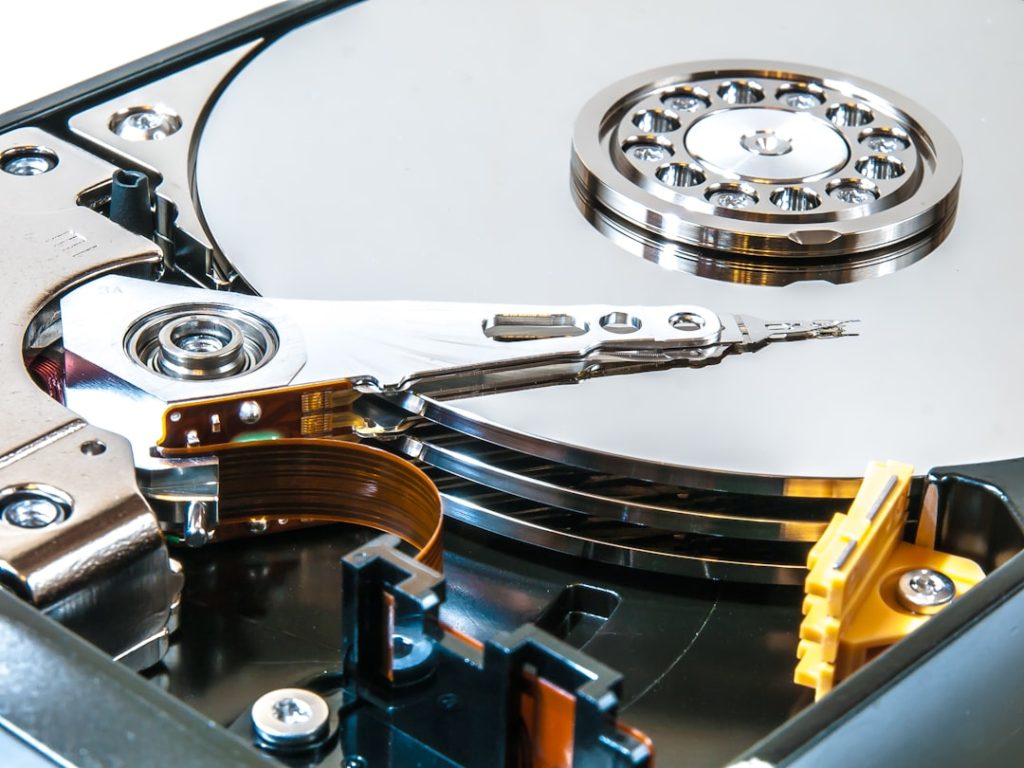
Mechanical hard drives, the workhorses of our digital storage, are prone to wear and tear. Components can fail gradually over time or unexpectedly. This can manifest as clicking sounds, system slowdowns, or outright refusal to boot. When a hard drive begins to exhibit symptoms of failure, it’s like a fragile ecosystem on the brink of collapse, with data integrity at stake.
Software Corruption: The Digital Blight
Malware, viruses, or even abrupt system shutdowns can corrupt the file system of a drive. This corruption can render entire partitions or individual files unreadable. It’s akin to a sophisticated virus infecting the very structure of our digital library, making it impossible to locate or access the books we need.
Physical Damage: The Catastrophic Event
Beyond logical failures, our storage devices can sustain physical damage. Drops, liquid spills, or electrical surges can inflict severe harm, rendering the drive physically incapable of functioning. Recovering data from such drives often requires specialized cleanroom environments and intricate micro-soldering techniques.
Formatting and Partitioning Errors: Reshaping the Digital Canvas
Mistakenly formatting a drive or incorrectly partitioning it can lead to the erasure of all stored data. While a quick format might leave data recoverable, a full format or severe partitioning errors present a more challenging recovery landscape. It’s like inadvertently erasing a map and then trying to reconstruct the journey without any landmarks.
The Importance of Professional Expertise
While DIY solutions exist for minor data recovery scenarios, complex cases demand the specialized knowledge and equipment that only a professional service can provide. Attempting complex recoveries without the necessary expertise can inadvertently cause further damage, transforming a recoverable situation into a permanent loss.
The Risks of Unqualified Intervention
Attempting to recover data from a failing drive without proper knowledge can be likened to performing surgery without a medical degree. Errors can lead to irreversible damage, corrupting the data further or making it impossible for even professionals to recover.
Specialized Tools and Environments
Expert data recovery services utilize advanced hardware and software, often proprietary, designed to interface with damaged drives at a fundamental level. They also operate in controlled environments, such as cleanrooms, to prevent airborne contaminants from further compromising delicate drive components during the recovery process.
The Expert File Recovery Process: A Meticulous Journey
When we entrust our data to an expert recovery service, we embark on a structured and methodical process designed to maximize the chances of successful retrieval. Each step is crucial, like stages in a complex scientific experiment.
Initial Consultation and Diagnosis: The Digital Autopsy
The journey begins with a comprehensive consultation. We describe the circumstances of the data loss, the type of storage device, and any symptoms observed. This initial assessment allows the technicians to form a preliminary understanding of the issue.
Gathering Information: Constructing the Narrative
The more information we can provide about the data loss event, the better. This includes the operating system, the brand and model of the drive, and any recent events that might have coincided with the loss. This information acts as vital clues for the recovery specialists.